
Imagine waking up to the smell of freshly brewed coffee, the blinds gently rising to let in the morning sun, and your favorite playlist serenading you—all without lifting a finger. Welcome to the world of home automation, where technology transforms everyday living into a seamless experience. It’s like having a personal assistant who never sleeps and is always ready to make life easier.
Home automation isn’t just about fancy gadgets; it’s about convenience, security, and energy efficiency. With a few smart devices, anyone can turn their home into a high-tech haven. From controlling lights with a voice command to monitoring security cameras from a smartphone, the possibilities are endless. So why not embrace the future and let your home do the heavy lifting? After all, who wouldn’t want their house to be smarter than their in-laws?
Overview of Home Automation
Home automation integrates technology into residential settings, allowing for smart control of home functions and devices. This innovative approach transforms daily routines, making everything more efficient and user-friendly.
Definition of Home Automation
Home automation refers to the network of devices that connect to the Internet, enabling remote management and monitoring of home systems. It includes lighting, heating, security systems, and appliances, providing homeowners with convenient oversight. Smart devices communicate through a central hub or smartphone application, offering seamless operation and customization. Users can automate tasks through schedules or triggers, enhancing the overall living experience. Many households rely on home automation to create an interconnected living space that caters to individual preferences and necessities.
Benefits of Home Automation
Home automation delivers numerous advantages that improve daily life. A key benefit involves enhanced energy efficiency, as smart thermostats optimize heating and cooling based on occupancy. Security is another significant advantage, as automated locks and cameras provide real-time monitoring and alerts. Homeowners also gain convenience by controlling devices remotely, allowing them to manage their environment while away. Time savings come from streamlined routines, such as automated coffee makers or timed lighting systems. Ultimately, home automation fosters increased comfort and peace of mind, allowing individuals to focus on what truly matters.
Key Components of Home Automation
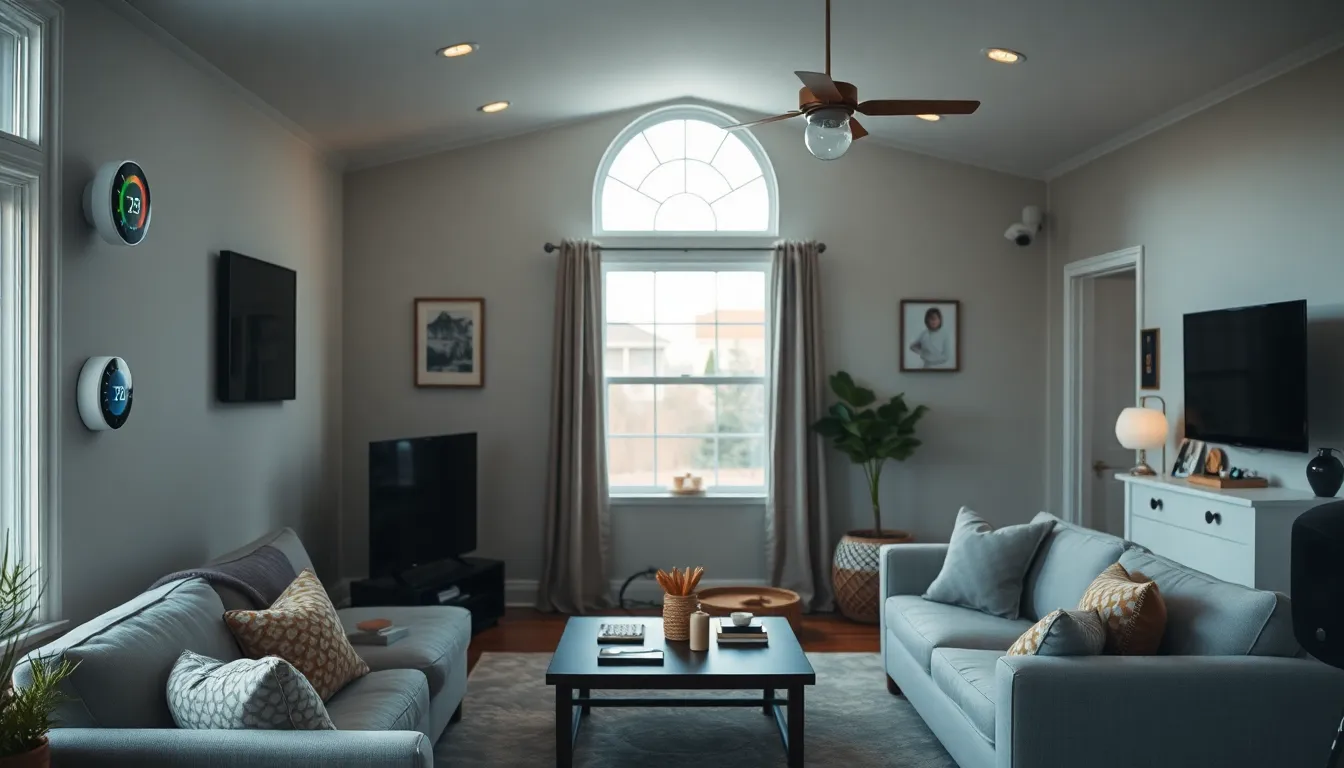
Home automation relies on key components that facilitate smart living. Two essential elements include smart devices and home automation hubs.
Smart Devices
Smart devices play a crucial role in home automation. They include equipment like smart bulbs, thermostats, cameras, and appliances equipped with Wi-Fi capabilities. These devices connect to a network, allowing users to control them remotely. For instance, smart thermostats can learn preferences and adjust temperatures accordingly. Smart lighting systems allow customization of brightness and color, improving ambiance. Security cameras provide real-time monitoring through a mobile app, enhancing home security. Integrating these devices results in increased convenience, energy efficiency, and improved comfort in daily routines.
Home Automation Hubs
Home automation hubs act as central control systems for smart devices. These hubs unify device management, enabling seamless communication among various technologies. Popular examples encompass Samsung SmartThings, Google Nest Hub, and Amazon Echo Plus. Connecting devices to a hub allows users to create routines that automate multiple tasks, such as turning off lights and locking doors simultaneously when leaving home. An effective hub enhances interoperability between brands and devices, ensuring a streamlined experience. Users benefit from voice control capabilities, making command execution easier. Overall, home automation hubs simplify the management of smart devices, driving efficiency and enhancing user satisfaction.
Popular Home Automation Systems
Numerous home automation systems enhance comfort, security, and efficiency in modern households. Here are some notable options:
Amazon Alexa
Amazon Alexa serves as a powerful voice assistant within smart homes. This versatile system connects with a variety of devices, allowing users to control lights, thermostats, and locks through simple voice commands. Skills can expand Alexa’s capabilities, including integrating with third-party applications and providing personalized routines. Users appreciate the hands-free operation, making daily tasks more convenient. Alexa’s compatibility with smart home brands creates a flexible and tailored experience for households.
Google Home
Google Home is another robust option in home automation. This assistant excels at managing smart devices and offering information through voice interactions. It integrates seamlessly with services like Google Calendar and Google Maps, providing contextual assistance. Homeowners can issue commands to adjust lighting or control media devices with ease. Google Nest products enhance the ecosystem, offering security features and energy management solutions. A strong community of developers continues to expand its capabilities, ensuring an evolving, user-friendly platform.
Apple HomeKit
Apple HomeKit focuses on security and privacy while providing home automation solutions. This system allows users to manage devices through an intuitive iOS app and Siri voice commands. Robust encryption safeguards user data, making it a trusted choice for privacy-conscious individuals. HomeKit-compatible devices include lights, locks, and cameras, ensuring a consistent user experience across all Apple products. Integrating seamlessly with the Apple ecosystem, it enhances convenience and ease of use for those already invested in Apple’s technology.
Security and Privacy Concerns
Home automation simplifies daily tasks but raises concerns about security and privacy. Understanding these risks is essential for users adopting smart technology.
Data Security Risks
Data breaches can expose personal information stored within smart devices. Many devices collect and share data, making them targets for cyberattacks. Encryption is crucial, yet not all manufacturers offer this protection. Unauthorized access can occur with weak passwords or outdated software, emphasizing the need for regular updates. Homeowners must choose devices from reputable brands that prioritize security standards. Examples of vulnerabilities include unsecured Wi-Fi connections and integration with third-party applications. Thus, maintaining robust security measures helps mitigate potential risks.
Privacy Considerations
Smart devices continuously collect data, often raising red flags about user privacy. Many users don’t realize that cameras and voice assistants might record conversations and behaviors. Transparency in data usage policies varies among manufacturers, creating uncertainty for consumers. In some cases, data selling to third parties occurs without explicit consent. Users should regularly review privacy settings and controls for their devices. Understanding the data collected and how it’s used enables more informed decisions. Ultimately, prioritizing privacy safeguards enhances the overall security of home automation systems.
Future Trends in Home Automation
Home automation continues to evolve, with advancements shaping the future of smart living. Key trends include the integration of artificial intelligence and enhanced energy efficiency solutions.
Artificial Intelligence Integration
Artificial intelligence (AI) plays a crucial role in automating homes by learning user preferences. Machine learning algorithms analyze data from user interactions, making systems smarter over time. AI-driven devices adjust settings automatically, creating personalized experiences for users. For instance, smart thermostats adapt temperatures based on daily routines, maximizing comfort. Voice assistants enhance usability by enabling natural language commands, streamlining overall control of home environments. The integration of AI fosters a more intuitive interaction between users and devices, significantly elevating convenience and efficiency.
Energy Efficiency Solutions
Energy efficiency remains a top priority in home automation, driven by rising energy costs and environmental concerns. Smart sensors monitor energy usage in real time, identifying patterns and suggesting optimizations. Automated systems control lighting and heating, reducing energy waste when spaces are unoccupied. For example, smart plugs can schedule devices to power on or off based on user-defined parameters, leading to substantial savings. Additionally, solar integration with smart systems allows homes to utilize renewable energy effectively, contributing to sustainability efforts. Leveraging technology in this manner not only conserves resources but also empowers homeowners to make informed decisions on their energy consumption.
Home automation represents a significant leap toward a more efficient and convenient lifestyle. By integrating smart devices and automation hubs, homeowners can enjoy enhanced comfort and security while saving time and energy. The future of home automation looks promising with advancements in AI and energy-efficient solutions, paving the way for even smarter living environments.
As technology continues to evolve, embracing these innovations can lead to a more streamlined daily routine. Prioritizing security and privacy will ensure that users can enjoy the benefits of home automation without compromising their personal information. Ultimately, transforming a home into a smart haven is not just about convenience; it’s about creating a space that adapts to individual needs and enhances overall quality of life.


