
When considering a Mazda 3, potential buyers often focus on reliability and performance. However, not all model years are created equal. Some years stand out for their lack of reliability or recurring issues that can lead to costly repairs. Knowing which years to avoid can save drivers from headaches and financial strain.
The Mazda 3 has garnered praise for its sporty design and engaging driving experience. Yet, certain model years have been plagued with problems that detract from its overall appeal. By examining these specific years, buyers can make informed decisions and find a reliable vehicle that meets their needs without unexpected surprises.
Overview of Mazda 3
The Mazda 3, introduced in 2003, stands out for its dynamic handling and stylish aesthetics. Known for its compact size, it appeals to a wide range of drivers seeking both fun and practicality. It features efficient engines, advanced technology, and a reputation for reliability, making it a solid choice in the compact car segment.
Various model years exhibit discrepancies in reliability and performance. Noteworthy is the 2004 model, which faced significant engine issues. Moreover, the 2007 and 2014 models presented transmission problems, affecting overall driver experience. Buyers should particularly scrutinize these years when considering a purchase.
In contrast, models like 2010 and 2016 received positive feedback for their performance and build quality. The 2010 Mazda 3 garnered commendations for its fuel efficiency and handling, while the 2016 version enhanced safety features and technology integration.
Overall, the Mazda 3 offers both style and enjoyable driving dynamics. By focusing on reliable model years, buyers can maximize satisfaction and minimize repair costs.
Common Issues with Mazda 3
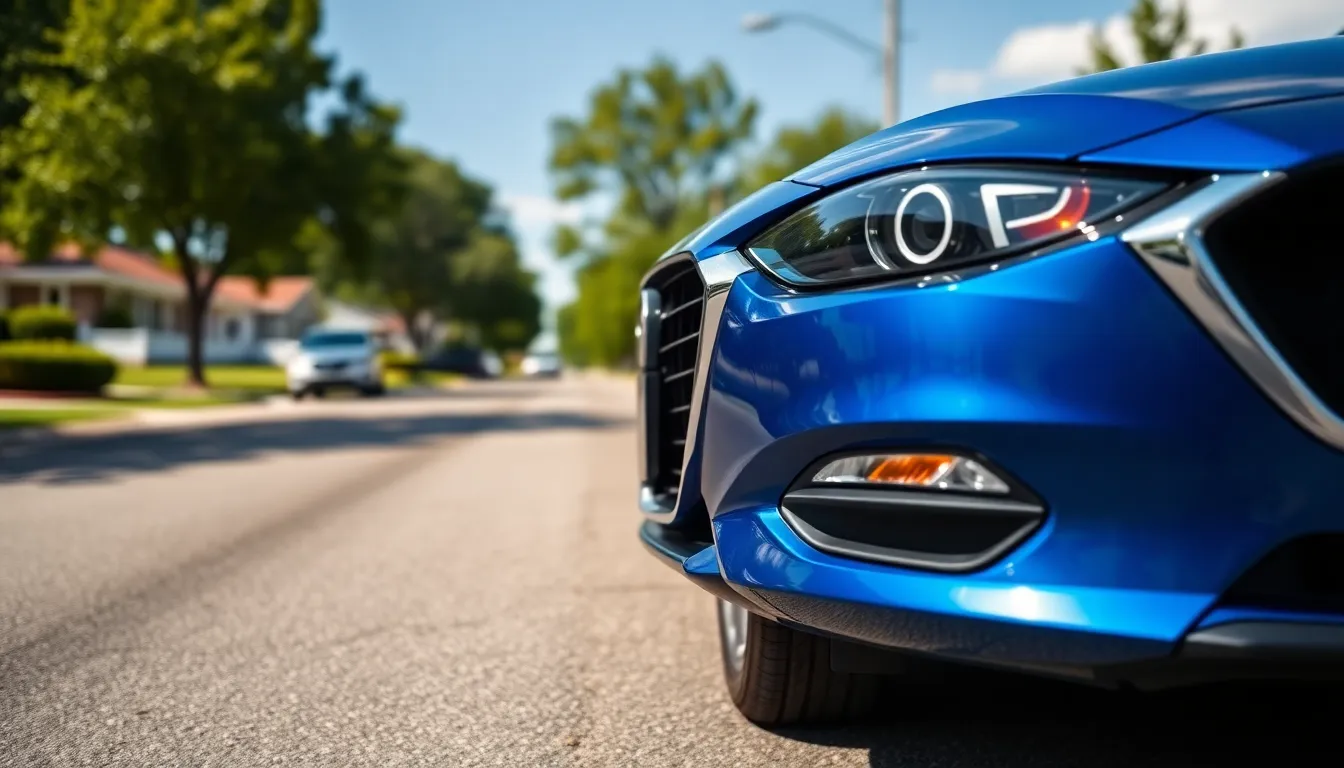
Mazda 3 owners may encounter specific issues across various model years. Understanding these common problems aids in informed purchasing decisions.
Engine Problems
Mazda 3 models, particularly the 2004 year, experienced significant engine problems, resulting in high repair costs. Owners reported engine failure due to excessive oil consumption. Furthermore, the engine’s timing belt issues led to premature wear and noise, prompting many to seek expensive repairs. Maintaining regular oil changes and monitoring oil levels can mitigate some of these problems, but awareness of these issues is critical for potential buyers.
Transmission Failures
Transmission failures are prevalent in the 2007 and 2014 Mazda 3 models. Owners faced issues with slipping gears and harsh shifting, indicating potential transmission replacement. The automatic transmission, in particular, displayed erratic behavior. Some owners reported total transmission failure after approximately 80,000 miles, leading to costly replacements. Regular maintenance and fluid checks can help extend transmission life, but caution is advised for these model years.
Mazda 3 Years to Avoid
Identifying specific Mazda 3 model years to avoid can prevent potential buyers from costly repairs and dissatisfaction. The following years have recorded significant reliability issues that warrant caution.
2004-2005 Models
The 2004 and 2005 Mazda 3 models are known for critical engine problems. Common issues include excessive oil consumption and timing belt failures, leading to costly repairs averaging $3,000. Furthermore, these models often face problems with premature wear and tear on engine components. As a result, buyers should consider steering clear of these years if long-term reliability is a priority.
2010-2011 Models
Although the 2010 and 2011 Mazda 3 models generally offer reliable performance, some units experienced sporadic transmission issues. Reports indicate that certain vehicles exhibit slipping gears or unresponsive shifting after approximately 60,000 miles. Repair costs for transmission replacements can reach $4,000, making these models less desirable. In addition, potential buyers should inspect maintenance histories for any related issues before purchasing.
2014 Model
The 2014 Mazda 3 model notably encountered transmission failures characterized by harsh shifting and slipping gears. Owners reported these problems frequently occurring around the 70,000-mile mark, often necessitating costly repairs of up to $3,500. While the 2014 model boasts attractive features and design, the persistent transmission issues diminish its overall reliability. Consequently, prospective buyers should approach this year’s model with caution.
Advice for Potential Buyers
Potential buyers should prioritize research on the Mazda 3’s model years before making a purchase. Focus on durability and common issues associated with specific years. The 2004 and 2005 models are especially known for significant engine problems, leading to average repair costs around $3,000. Avoid these years to prevent unforeseen expenses.
Examine the 2010 and 2011 models for unpredictable transmission issues that could escalate to $4,000 in repairs. Although these years show decent performance, their sporadic issues may not align with buyers’ expectations for reliability.
Assess the 2014 model due to known transmission failures. Repair costs typically reach about $3,500, making it a less advisable option. While some models receive praise, such as the 2010 for fuel efficiency and the 2016 for advanced safety features, focus on those with proven reliability to make a sound investment.
Keep in mind the driving experience that the Mazda 3 offers. Car enthusiasts appreciate the sporty design and enjoyable handling, but understanding potential repair costs can significantly impact overall satisfaction with the vehicle. By selecting reliable options and avoiding problematic years, buyers can enhance their ownership experience, ensuring longevity and dependability in their new car.
Understanding which Mazda 3 model years to avoid can save buyers from potential headaches and costly repairs. By steering clear of the 2004 and 2005 models due to their notorious engine issues and the 2014 model for its transmission failures, buyers can enhance their ownership experience. While the 2010 and 2011 models offer decent performance, their sporadic transmission problems warrant caution. Prioritizing research on reliability and common issues ensures that buyers make informed decisions. Selecting a proven model can lead to a more satisfying and dependable driving experience.


